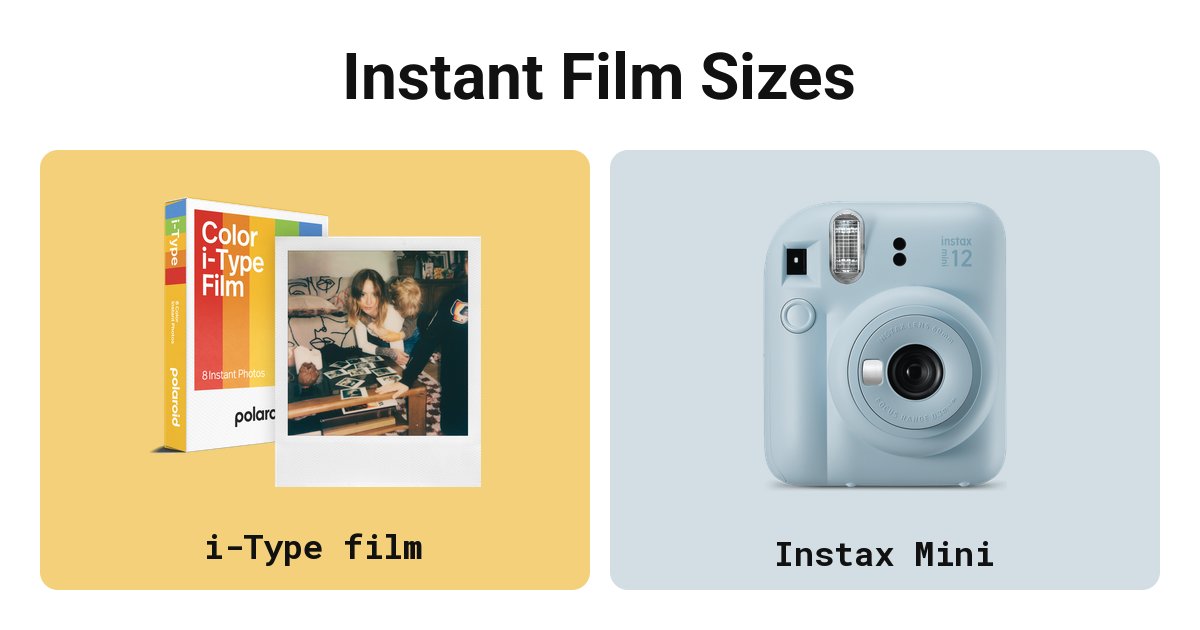
Instant Film Sizes
A Polaroid print is 3.5 x 4.2 inches with a 3.0 x 3.1 inch picture. Instax Mini is 2.1 x 3.4 inches. Here is every instant film size, in mm and inches.

Instant cameras, film formats and photo printers compared side by side, with specs, film costs and a verdict on which to buy.
35 articles
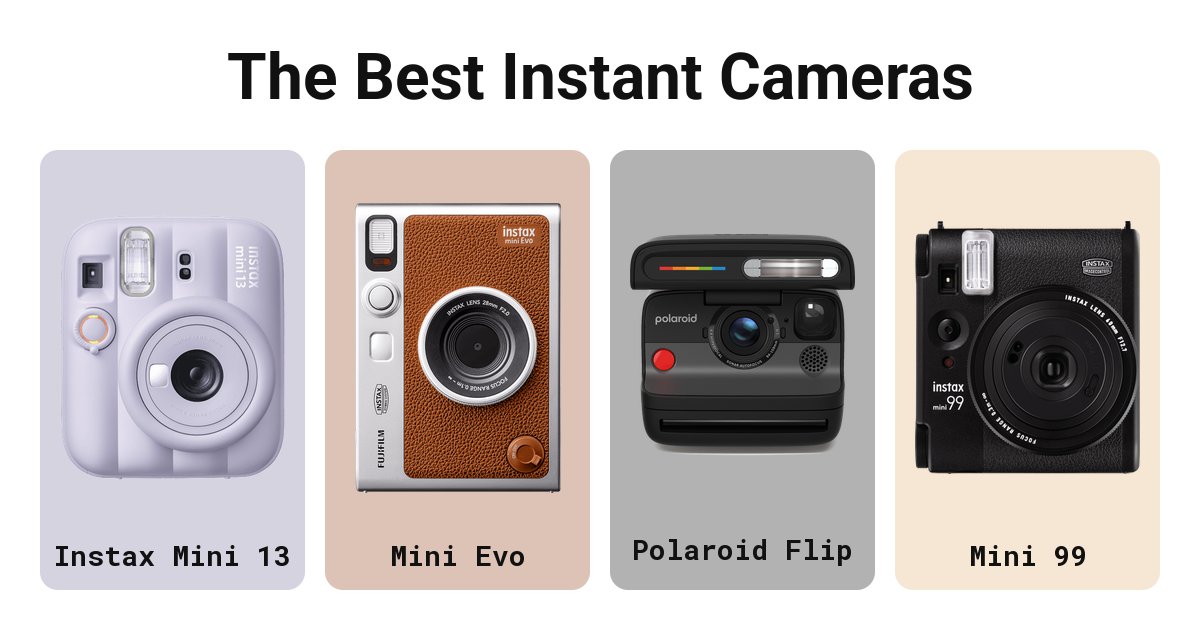
The Instax Mini 13 is the best instant camera for most people: $79.95, one button, a self-timer, and film at about $0.91 a shot. Six other picks below.
Top pick: Instax Mini 13, $79.95
A Polaroid print is 3.5 x 4.2 inches with a 3.0 x 3.1 inch picture. Instax Mini is 2.1 x 3.4 inches. Here is every instant film size, in mm and inches.
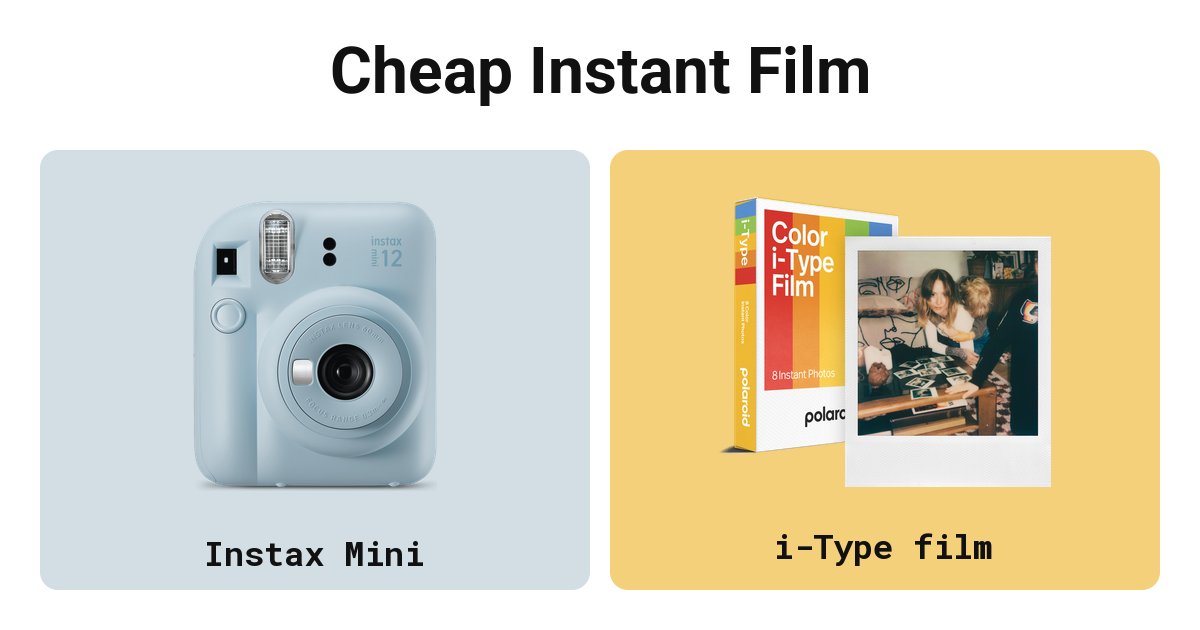
Most Instax Mini '100 pack' listings on Amazon are third-party bundles at $1.20 to $1.80 a shot. A twin pack costs about $0.91 a shot, and Fujifilm's own 120-shot pack about $0.81.
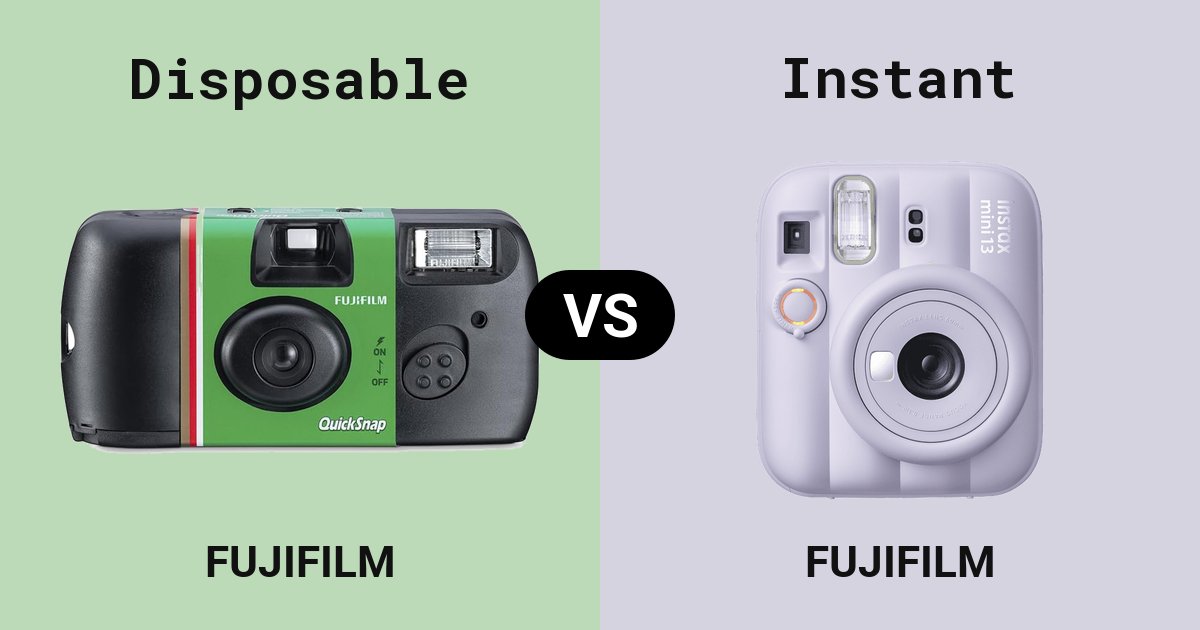
A disposable camera costs about $20 but about $1.35 a shot once developed. Instax Mini film is $0.91 a shot, with a print in your hand in about 90 seconds. Here is which to buy and when.
Buy the Instax Mini Link 3 for real Instax prints in 15 seconds and about 100 prints a charge. Pick the Canon Ivy 2 for sticky-back prints at 58 cents against 91 cents.
The Ivy 2 prints on ZINK paper at 58 cents a sheet; the Hi-Print uses a dye-sub cartridge at 85 cents for a larger, longer-lasting print. Buy the Ivy 2 unless print quality comes first.
Both print 2x3 sticky-back ZINK photos for under 50 cents. Buy the HP Sprocket: for $10 more it prints faster, lasts 10 more prints a charge and pairs several phones at once.
Buy the HP Sprocket: its ZINK prints cost 48 cents against 85, it prints faster and lasts 35 prints a charge. Pick the Hi-Print for bigger dye-sub prints that reviewers rate higher.
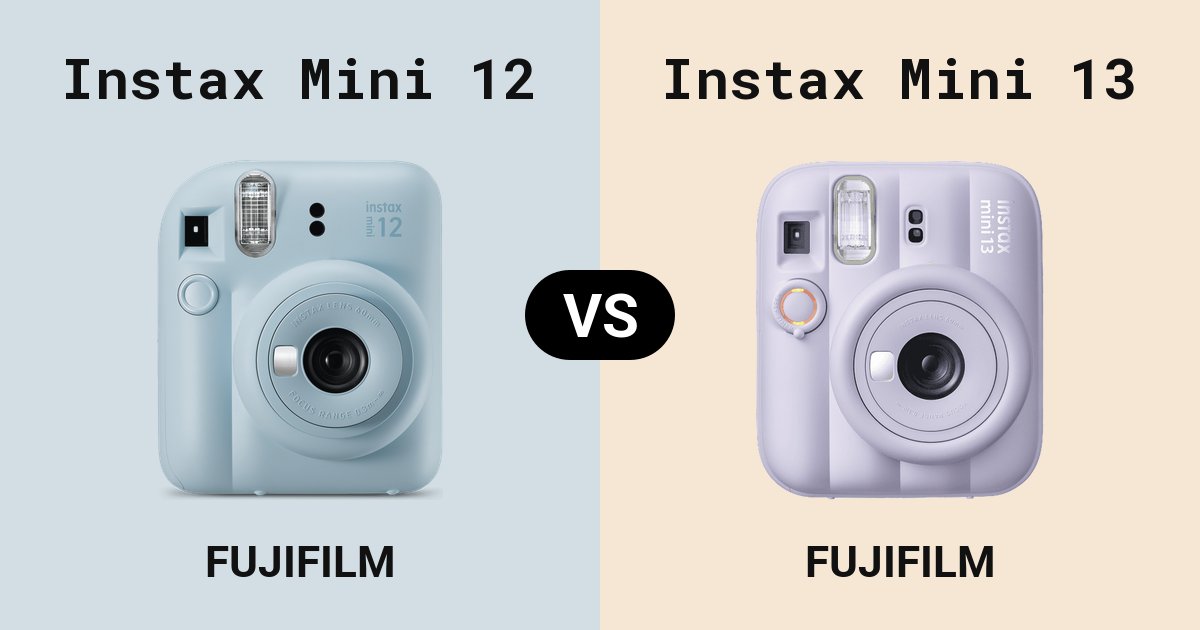
The Mini 13 is Fujifilm's 2026 successor to the Mini 12, with the same lens, film and always-on flash plus a self-timer. Buy the Mini 13: at the October price check it was $2.99 cheaper.
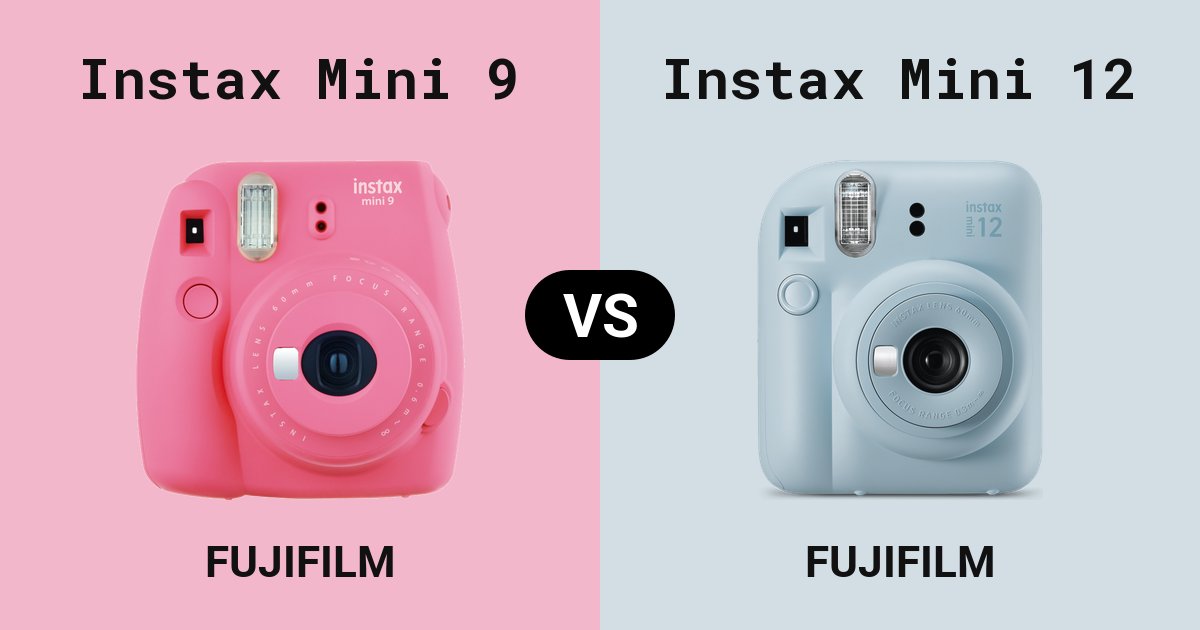
The Mini 8 and Mini 9 are discontinued cameras with a manual brightness dial and a fixed shutter; the Mini 12 sets its own exposure and focuses closer. Buy the Mini 12 unless a Mini 8 or 9 comes to you cheap or free.
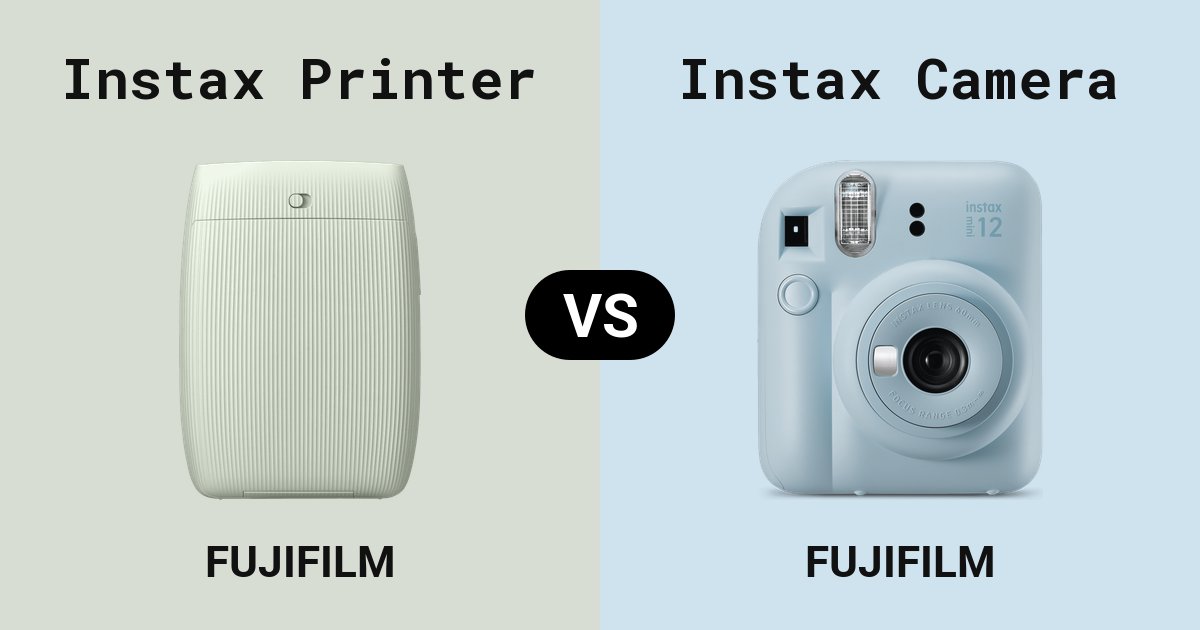
Instax Mini cameras and the Mini Link 3 printer use the same film at about $0.91 a shot. Buy a camera for point-and-shoot prints, and the printer to print only the phone photos you choose.
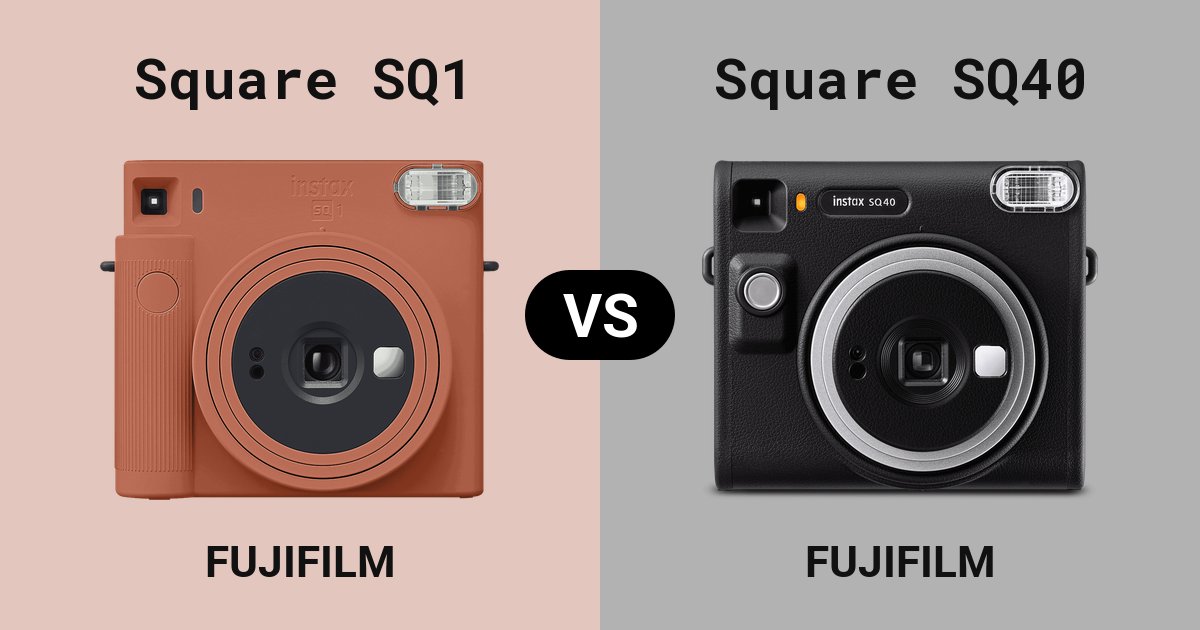
The SQ1 and SQ40 share a lens, flash, batteries and film, and cost the same at the last check, so the choice is the body. Buy the SQ1 unless you want the SQ40's black leatherette look; the discontinued SQ6 only makes sense used, for its self timer.
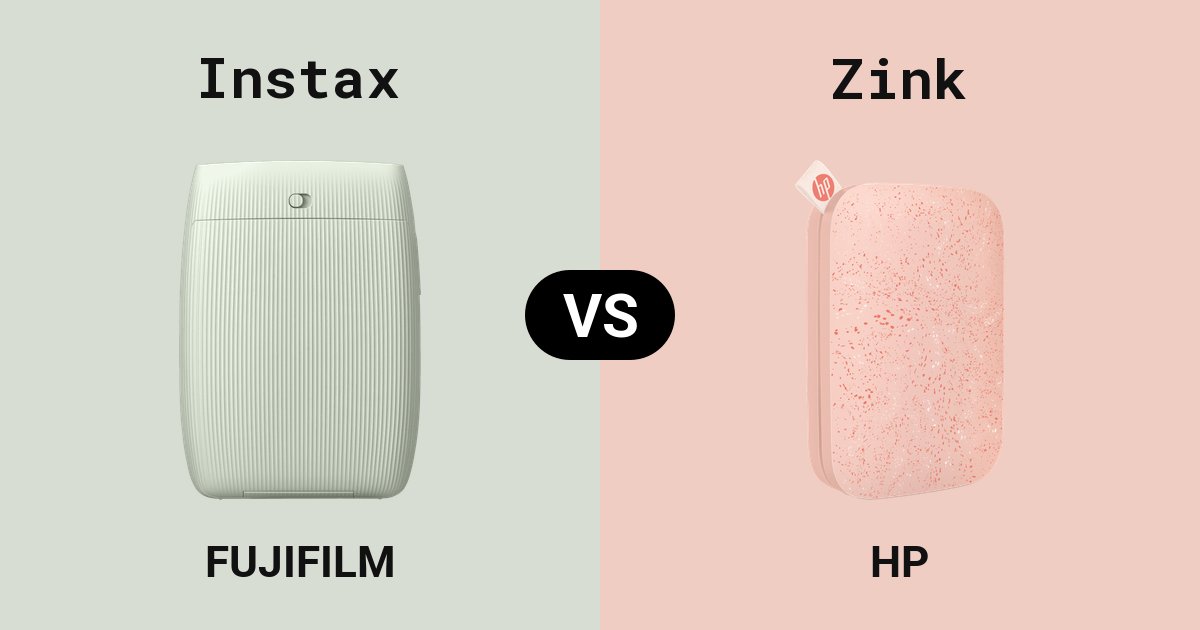
Instax prints on real instant film at about $0.91 a shot. Zink prints sticky-backed paper with heat for about 48 to 58 cents. Choose Instax for the better-looking print and Zink for cheap stickers.
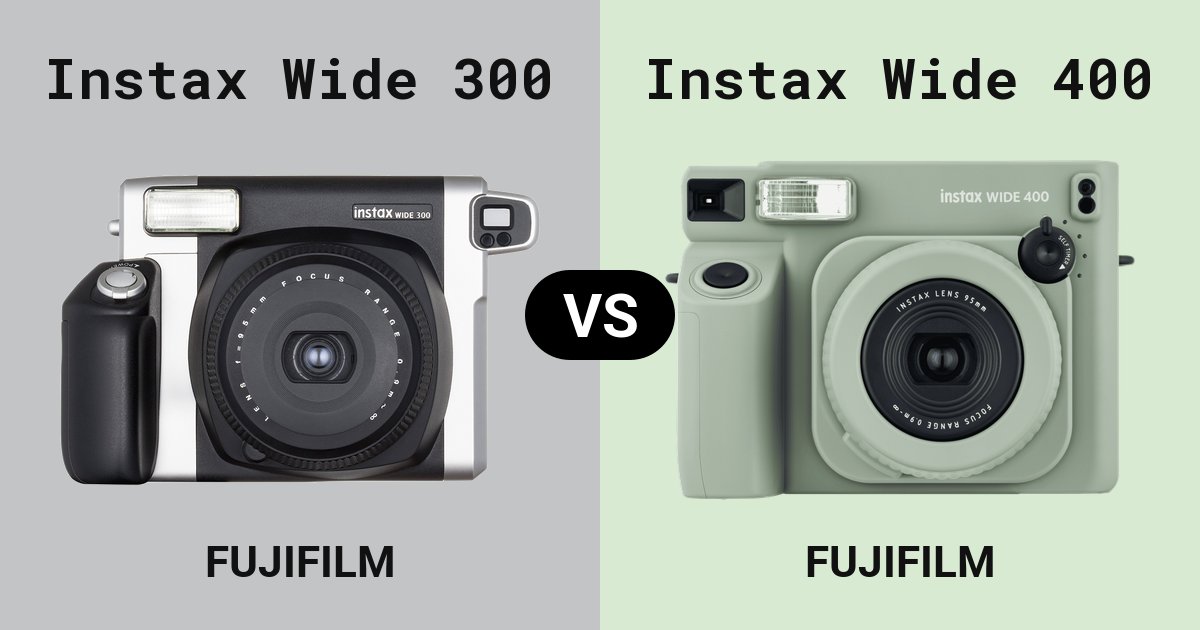
The Wide 400 replaced the Wide 300, which Fujifilm no longer makes, and both carry the same $149.95 list price. Buy the Wide 400: same lens, film and exposure, plus a self-timer and an angle-adjustment accessory.
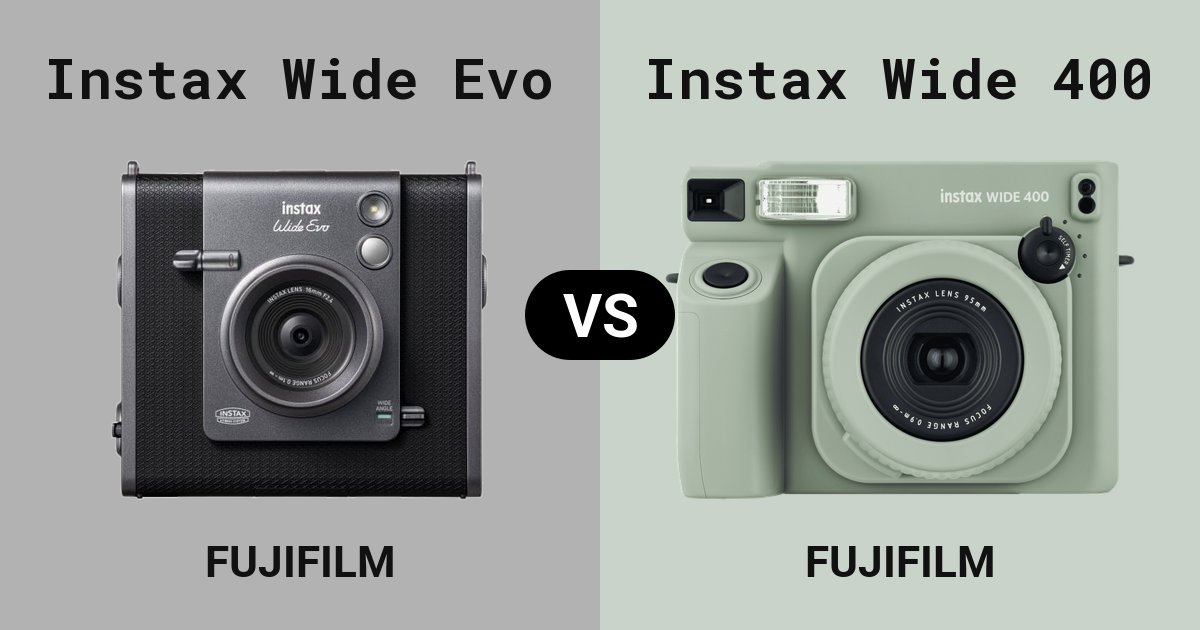
The Wide 400 exposes Instax Wide film directly, and the Wide Evo shoots digitally and prints only the frames you pick. Buy the Wide 400 for true analog prints at $149.95; pay $215.94 more for the Wide Evo only if you want to choose before you print.
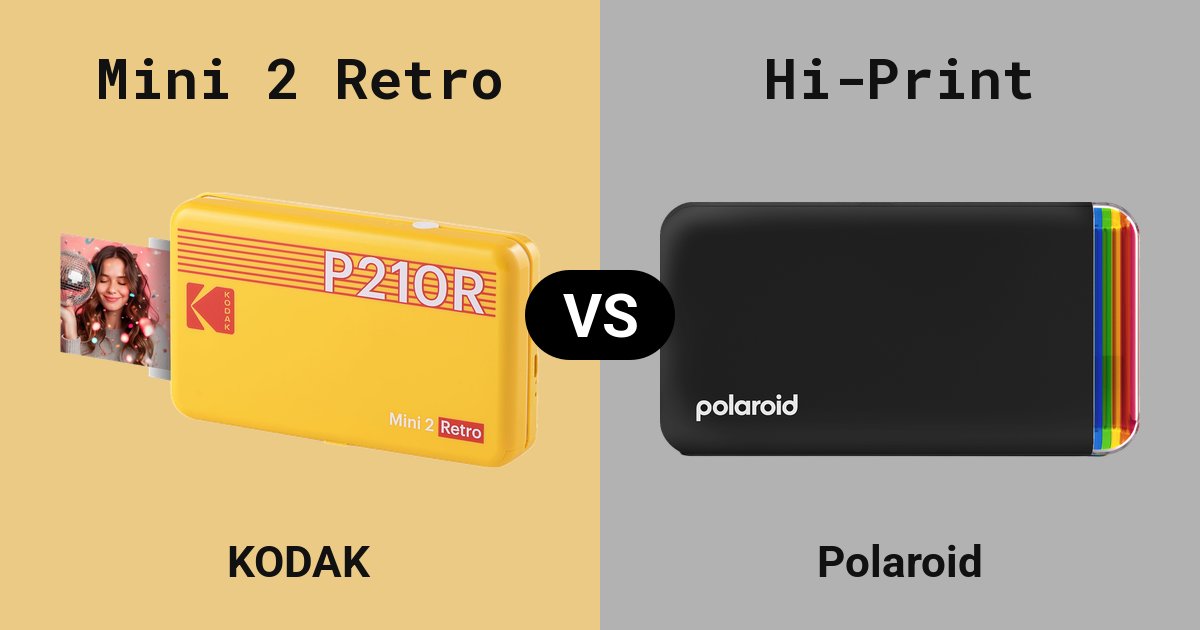
Buy the Kodak Mini 2 Retro: same print size and process, a cheaper printer, and paper at 42 cents a print against 85. Pick the Polaroid Hi-Print only for its sticky-back prints.
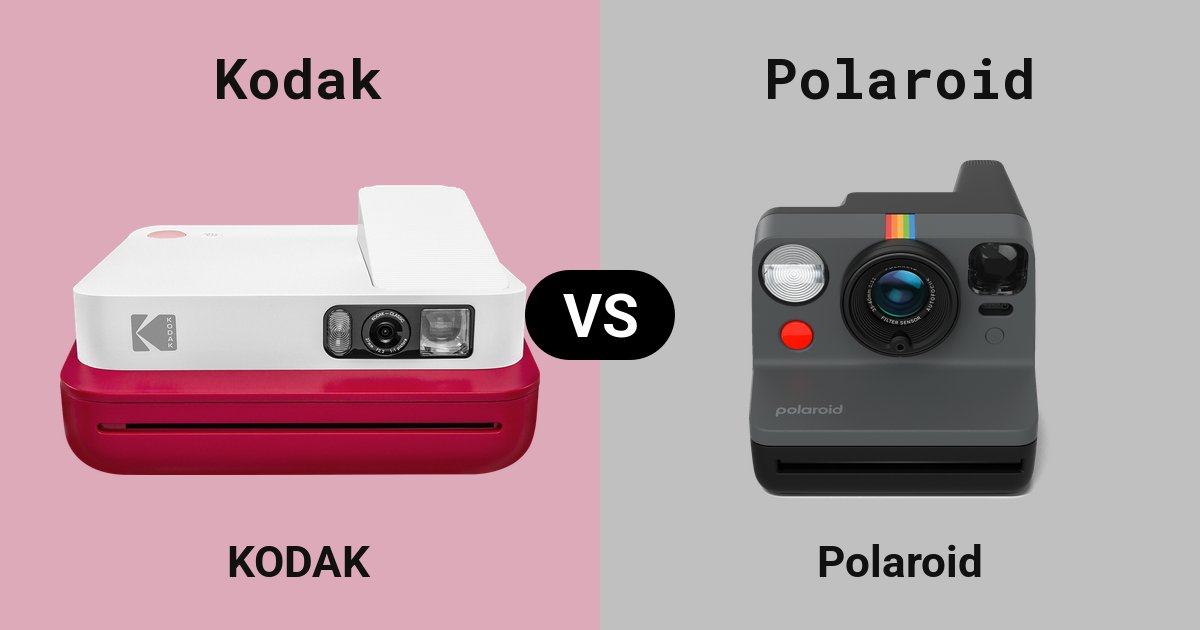
Polaroid cameras shoot real instant film at $1.36 to $2.37 a shot, while Kodak's instant cameras take a digital photo and print it on Zink or 4PASS paper for 30 cents to $1. Buy Polaroid for the big chemical print, and Kodak for cheap, fast sticker-sized prints.
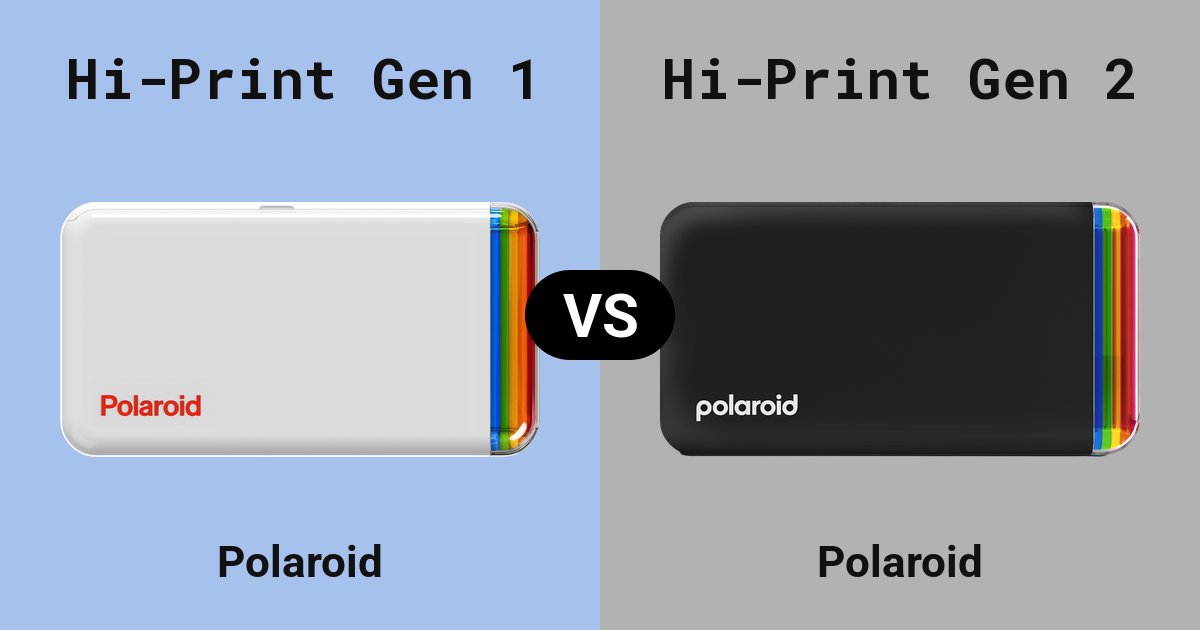
The Hi-Print Gen 2 keeps the Gen 1's print, paper, size and 20 prints a charge, and adds USB-C charging and newer Bluetooth. Buy the Gen 2: the Gen 1 is discontinued.
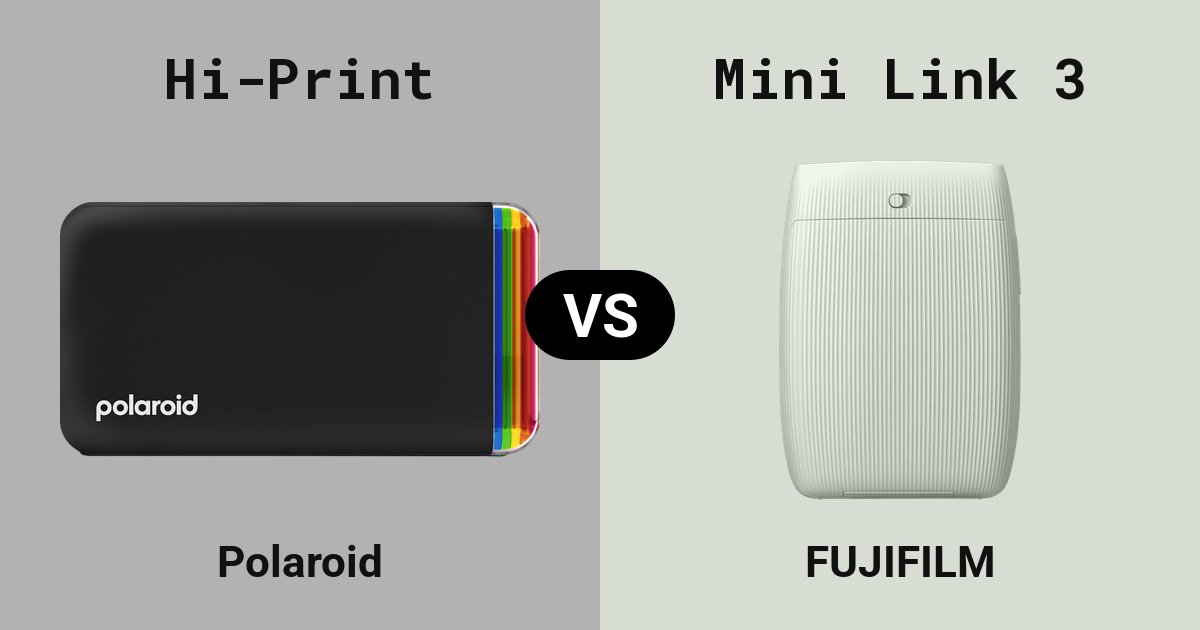
Buy the Instax Mini Link 3 for real Instax prints in 15 seconds and 100 prints a charge. Pick the Polaroid Hi-Print only if you want sticky-back prints for journals.
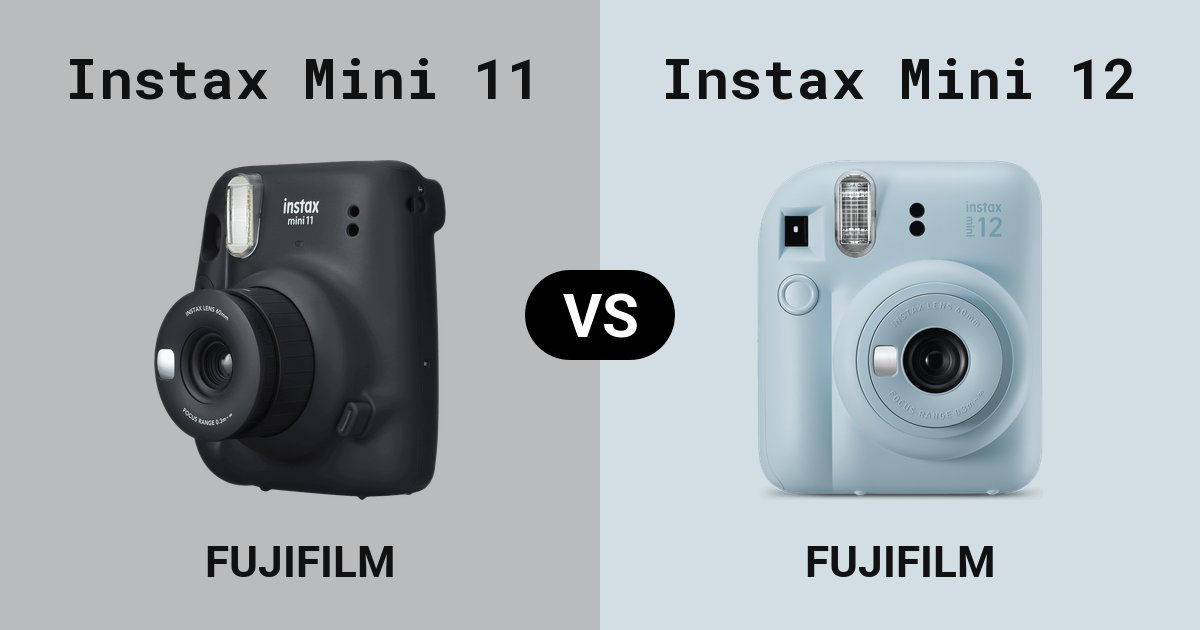
Fujifilm discontinued the Mini 11 in 2023 and the Mini 12 replaced it, so this is a choice between leftover stock and a camera still in production. Buy the Mini 12: same lens and film, better close-up framing.
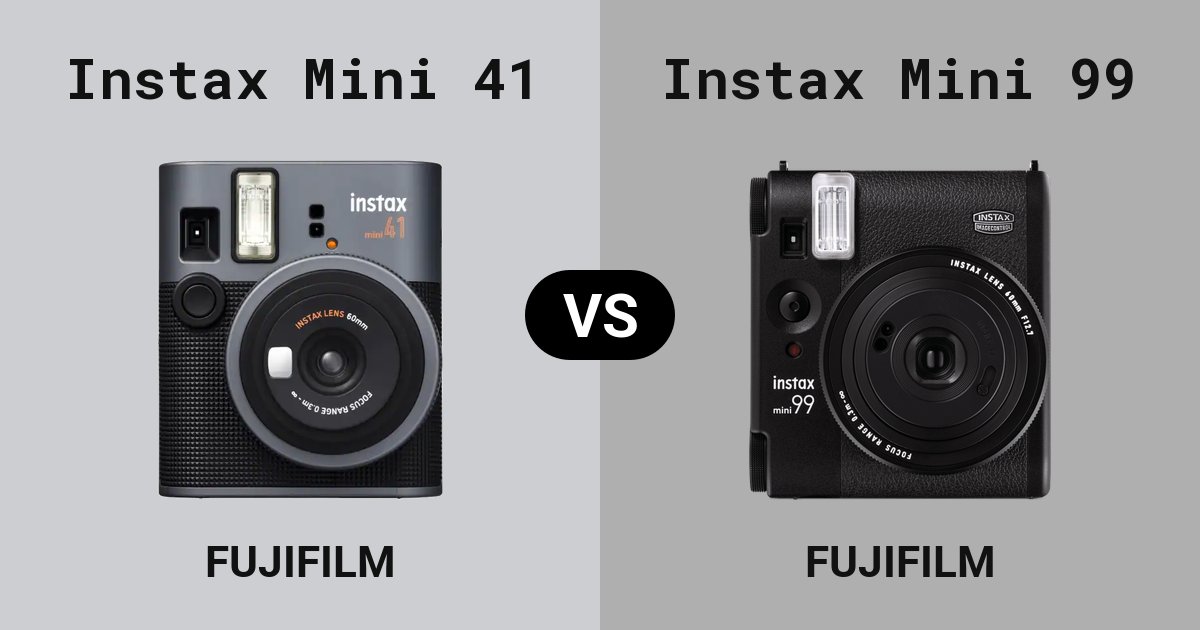
The Mini 41 is a fully automatic point-and-shoot and the Mini 99 gives you brightness, colour and exposure control for about $89 more. The Mini 99 is the one to buy unless you only ever want to press one button.
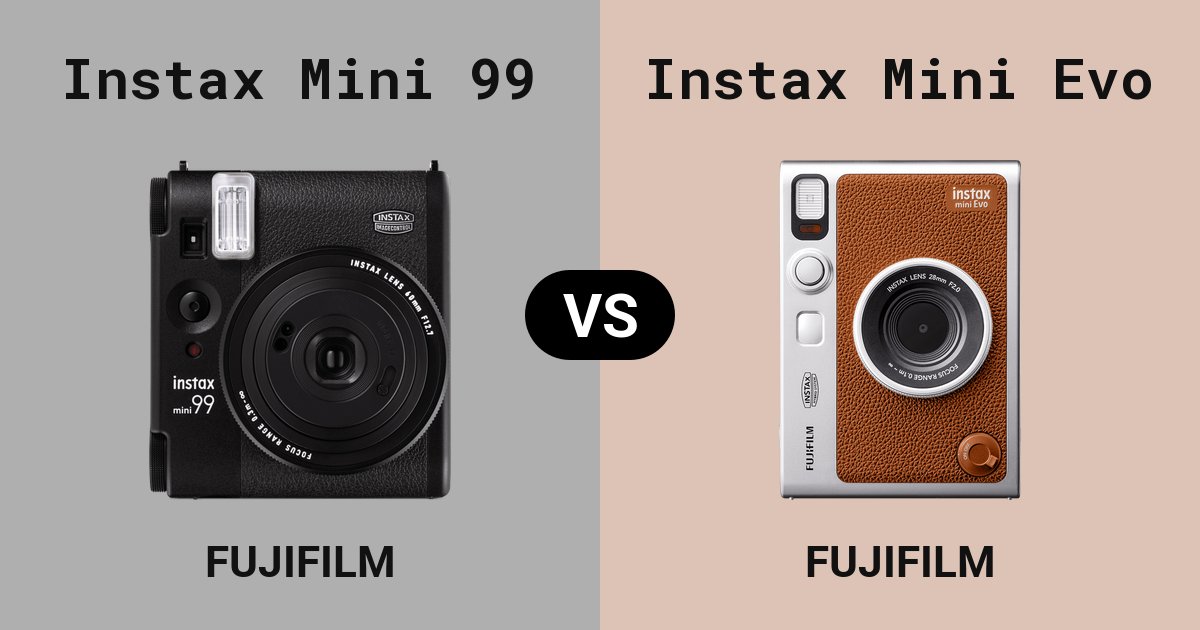
The Mini 99 shoots straight to film and the Mini Evo shoots digitally first, then prints only the frames you pick. The Evo is the one to buy, because at $0.91 a shot the film it saves pays back the $9.95 it costs more.
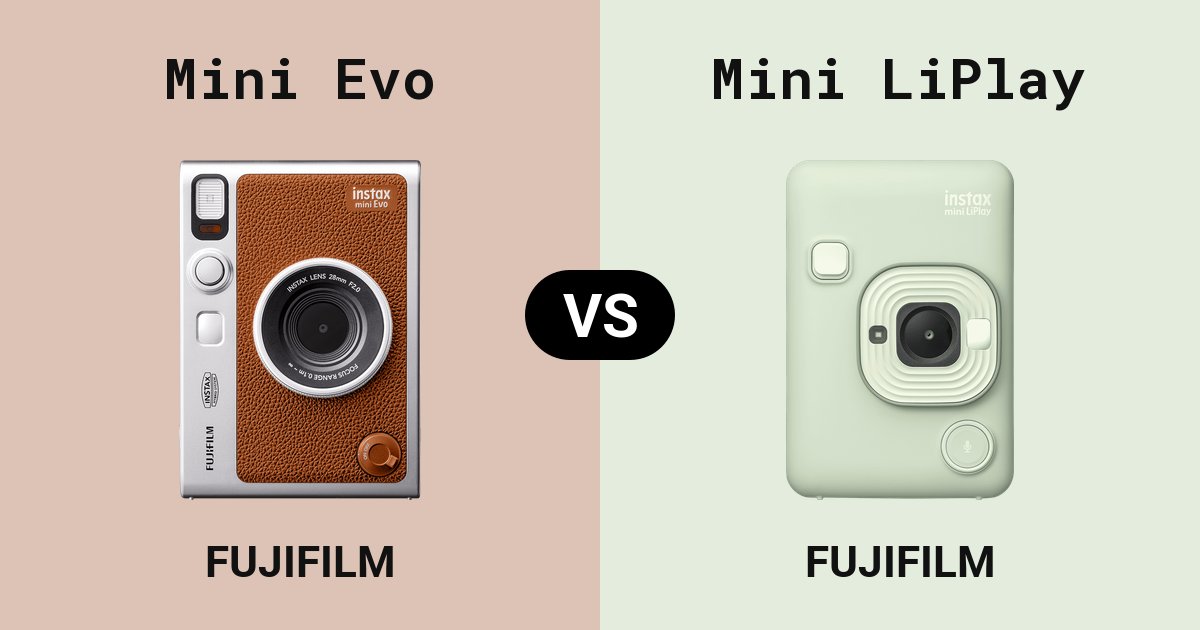
Both lines are hybrids that let you choose what gets printed, so this is a choice about controls, screens and price. The Mini Evo is the one to buy, and the newer LiPlay+ lists at the same $234.95 without beating it.
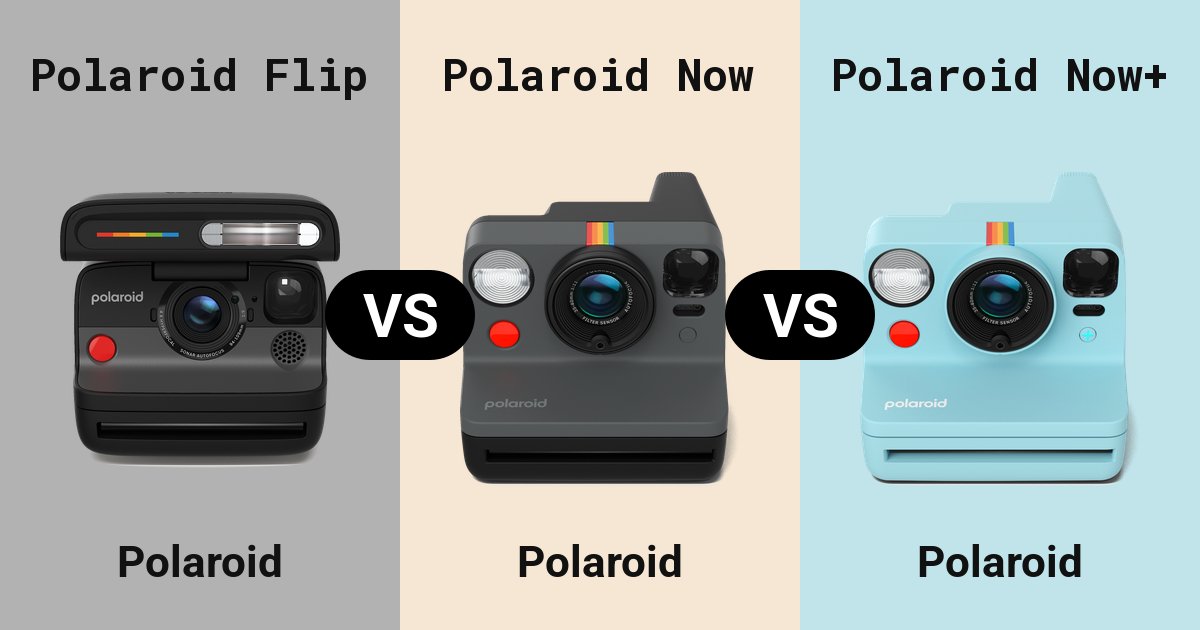
All three cameras take the same i-Type film and make the same size print, so the difference is how often each one gets the shot right. The Flip's four-zone sonar autofocus and stronger flash make it the one to buy, at $80 more than the Now.
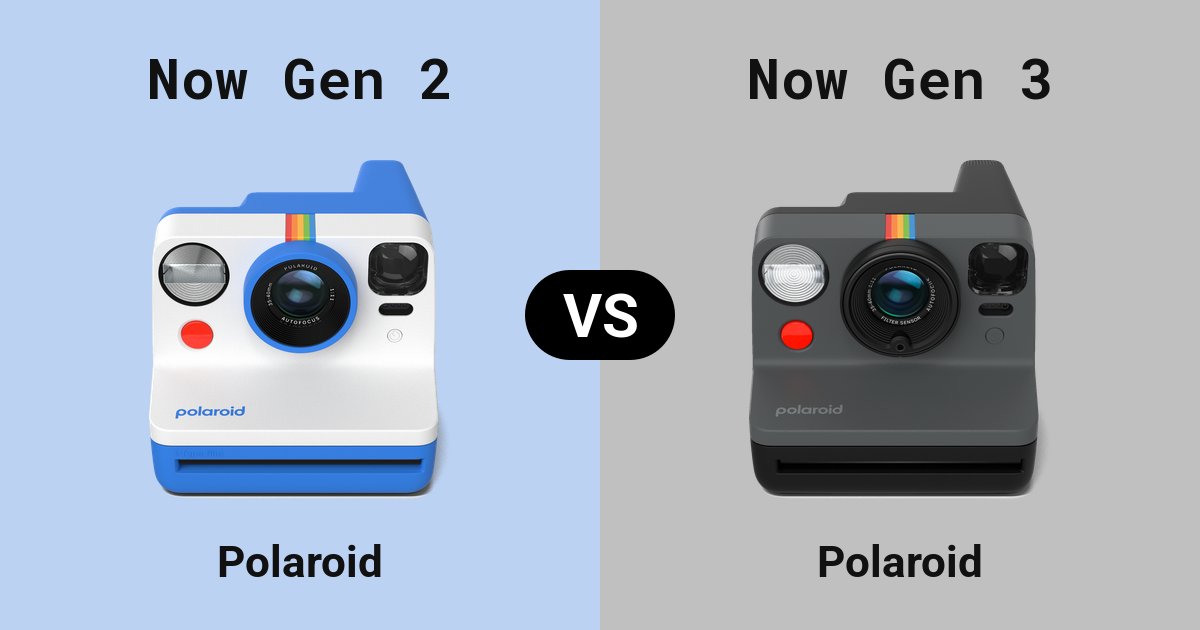
Polaroid replaced the Now Generation 2 with the Generation 3 in 2025, and the changes are small but real. The Generation 3 is the one to buy, unless leftover Generation 2 stock is cheap enough to forgive the missing tripod socket.
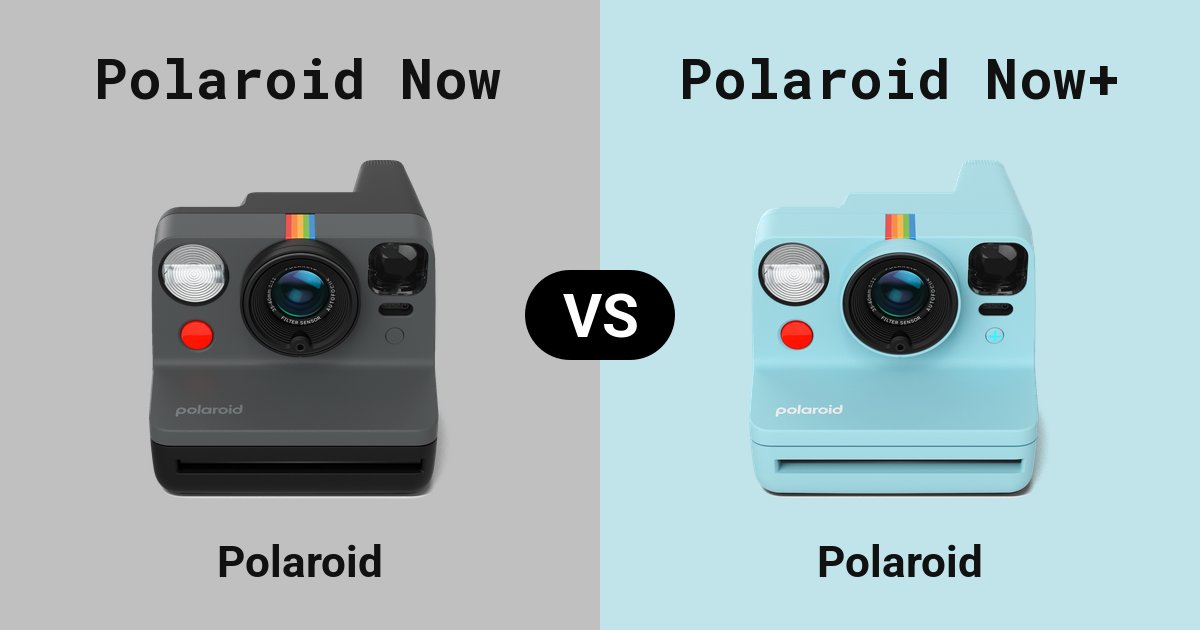
The Now+ is the same camera as the Now with Bluetooth and an app added, for $20 more. Most people should buy the plain Now Generation 3 and put the difference towards a pack of film.

We compare Fujifilm's two current entry-level Instax Mini cameras side by side. They share a lens and film but not a body or a price, and the cheaper Mini 12 is the one to buy.

Fujifilm has made three Instax Mini Link phone printers and only the Link 3 is still sold. Here is what changed at each step, and whether an older one is worth buying second hand.

Fujifilm's cheapest Instax Mini against its best known one. The Mini SE has a brightness dial and longer battery life, but the Mini 12 focuses closer, sets its own exposure and is far easier to buy.

Fujifilm sells Instax film in three sizes, and a camera built for one will not take the other two. Here is what each size prints, what each costs a shot, which cameras and printers use it, and which one to buy.

Instax film costs about $0.91 a shot and Polaroid i-Type film about $2.37, so this choice is mostly a choice about running cost. Polaroid gives you the big white-framed square print, and Instax gives you more cameras, more print sizes and cheaper film.

The Polaroid Go Generation 3 is smaller and has more features, but its film costs about $1.36 a shot against about $0.91 for Instax Mini. Unless pocket size is the whole point, the Mini 12 is the cheaper camera to live with.

Polaroid's two current analog cameras take different film, so this is a choice about print size before it is a choice about features. The Now Generation 3 is the one most people should buy, and the Go Generation 3 is the cheaper one to shoot.

Polaroid 600 packs carry the battery that powers a vintage camera. i-Type packs are battery-free, which is why i-Type fits only modern Polaroids and costs about a dollar less a pack. Everything else about the two films matches.
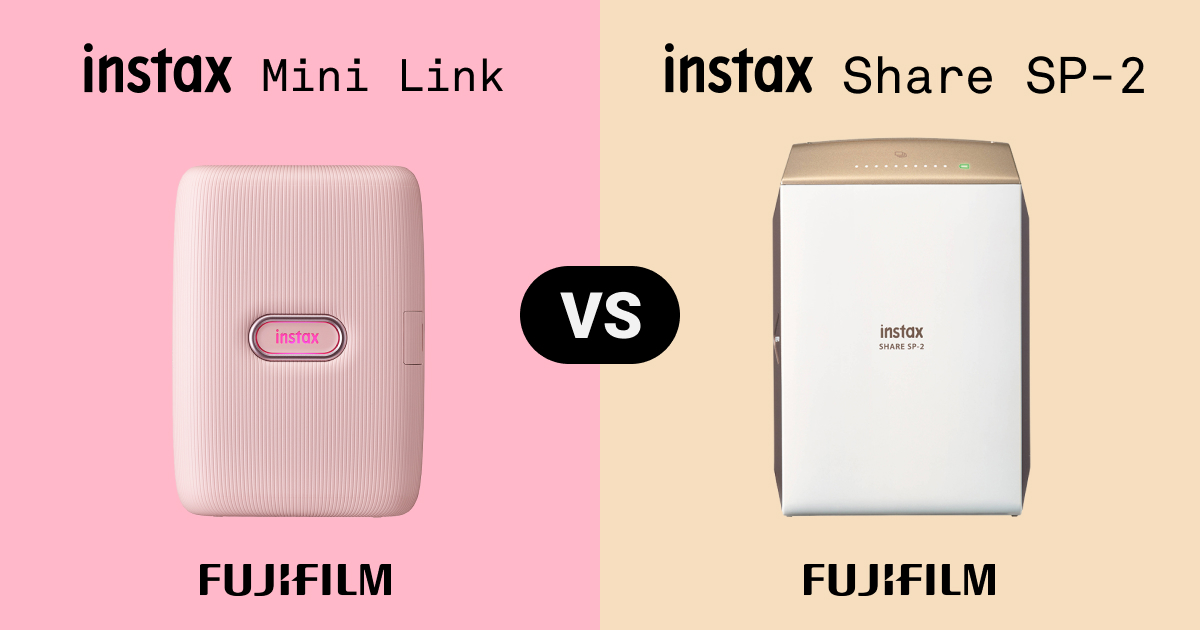
We compare two of Fujifilm’s smartphone printers side-by-side to discover the key differences - and find out why the Instax Mini Link is better than the SP-2.

Our side-by-side comparison of the Instax Mini 8 vs 9. What's the difference between these two popular instant cameras by Fuji and which one is best?