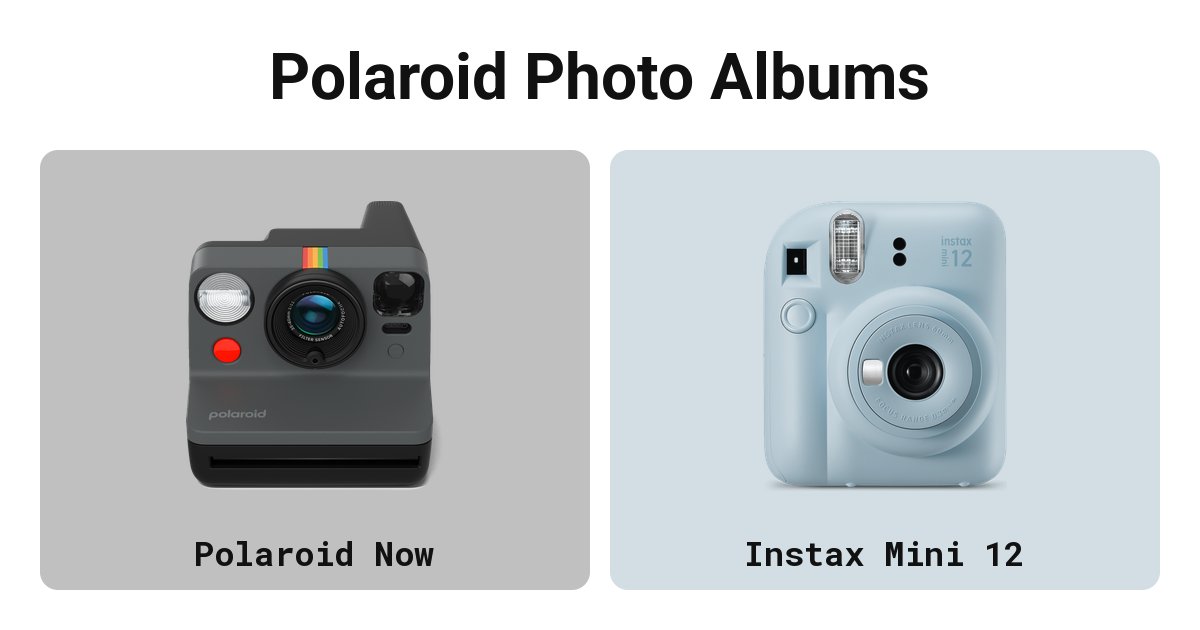
Polaroid Photo Albums
Polaroid's own Photo Album holds 160 i-Type, 600 or SX-70 prints for $22.99. Go, Instax Mini and Square need smaller pockets; Wide uses the same size sideways.

Every Polaroid camera and film article on the site.
23 articles
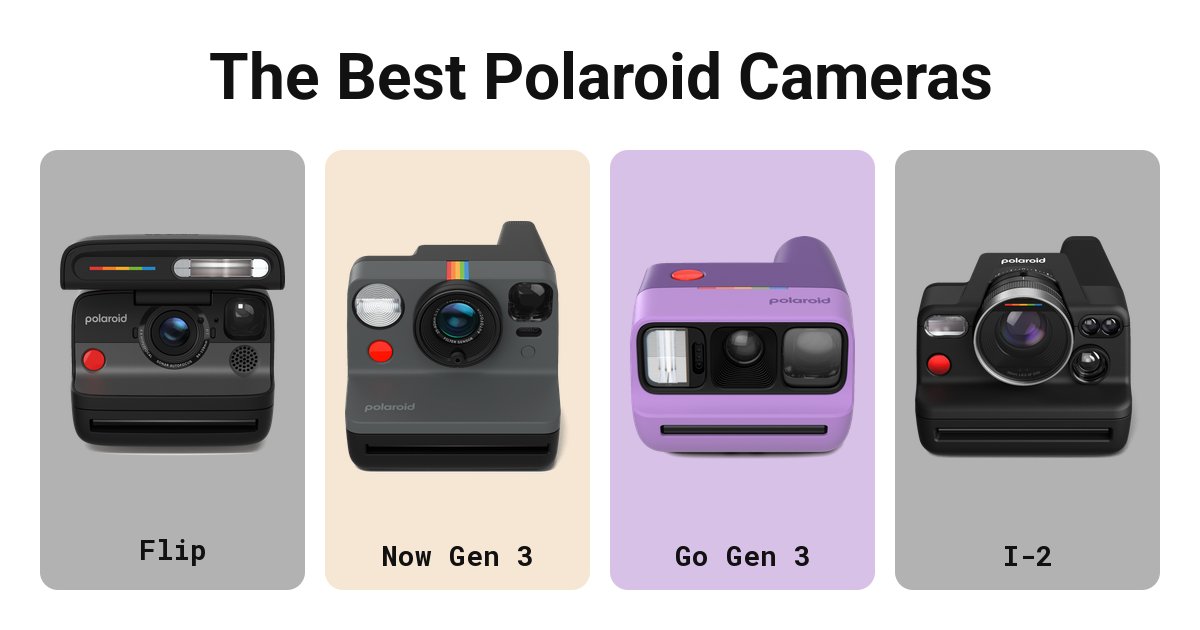
The Polaroid Flip is the best Polaroid camera for most people. Here is every current Polaroid ranked, from the $82 Go Gen 3 to the $599.99 I-2.
Top pick: Polaroid Flip, $210.00
Polaroid's own Photo Album holds 160 i-Type, 600 or SX-70 prints for $22.99. Go, Instax Mini and Square need smaller pockets; Wide uses the same size sideways.
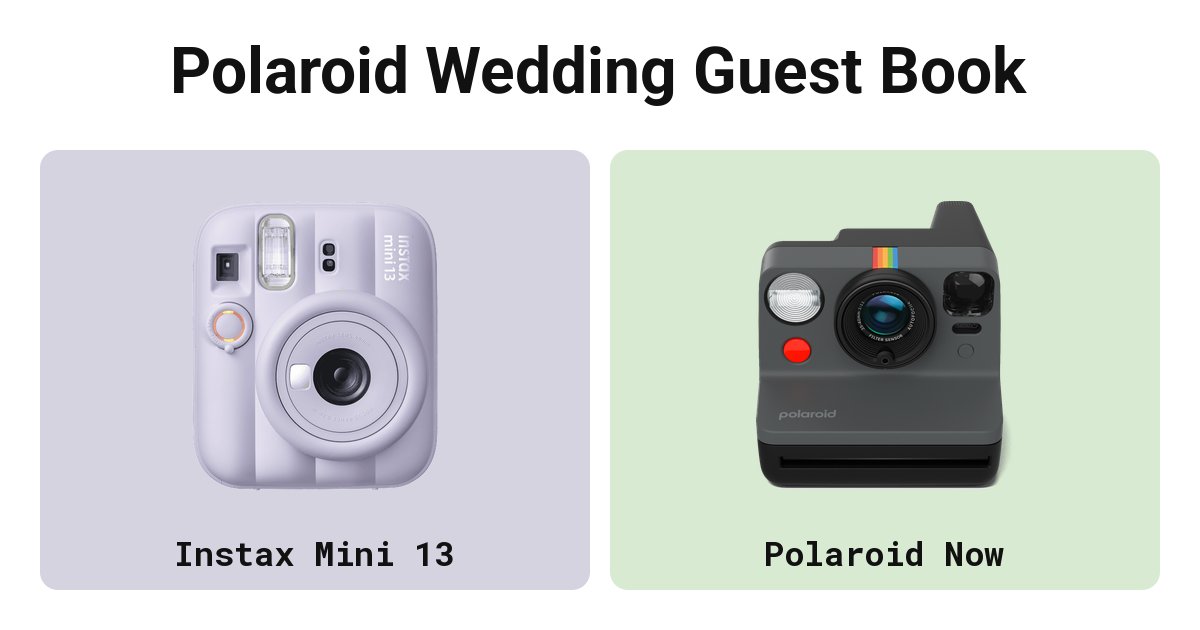
Plan on 2 to 3 photos per guest: for 100 guests, that is $182 to $273 of Instax Mini film or $474 to $711 of Polaroid film. Cameras, books and setup below.
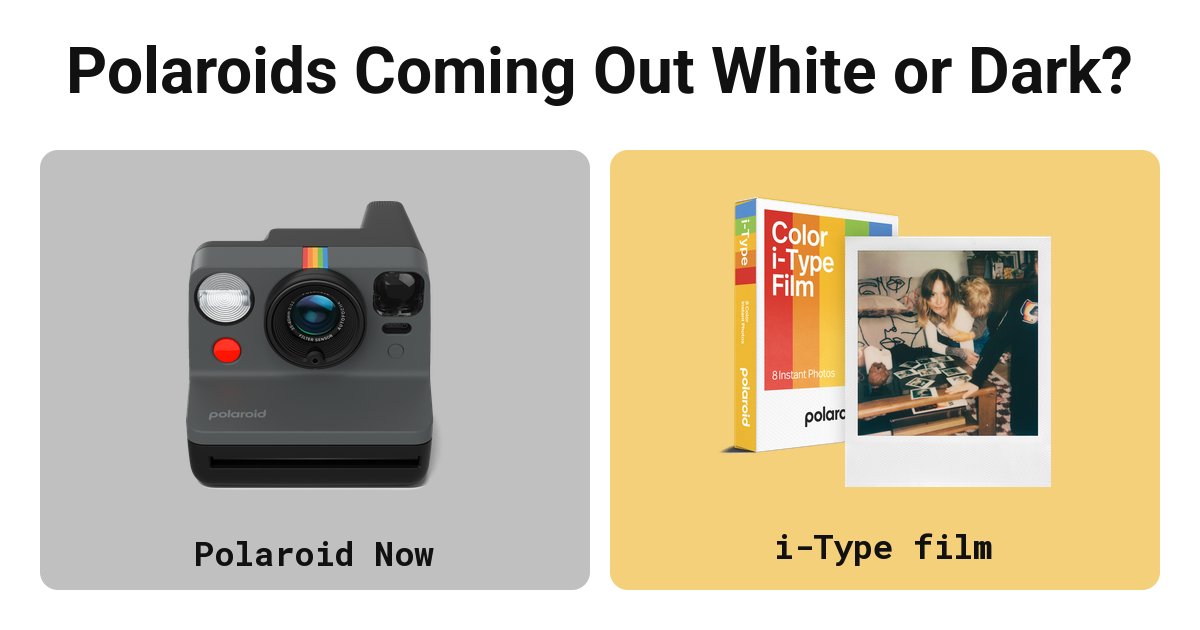
Fully white or black Polaroids usually mean a camera fault. Too light: cold film, an unshielded print or flash too close. Too dark: not enough light or flash.
No. Polaroid says never shake a photo while it develops: the chemistry is still wet and shaking leaves blobs. Lay it flat and face down. Instax is the same.
Yes. Polaroid says use its film within 12 months of the production date on the box, and Instax packs carry an expiry date. How to read the date and store film.
Instant film carries its own darkroom: rollers burst a pod of developer across each sheet as it leaves the camera. How Polaroid, Instax and Zink make a print.
Polaroid colour film takes 10 to 15 minutes and black and white 5 to 10. Instax takes about 90 seconds. Cold slows both down. Times for every film are below.
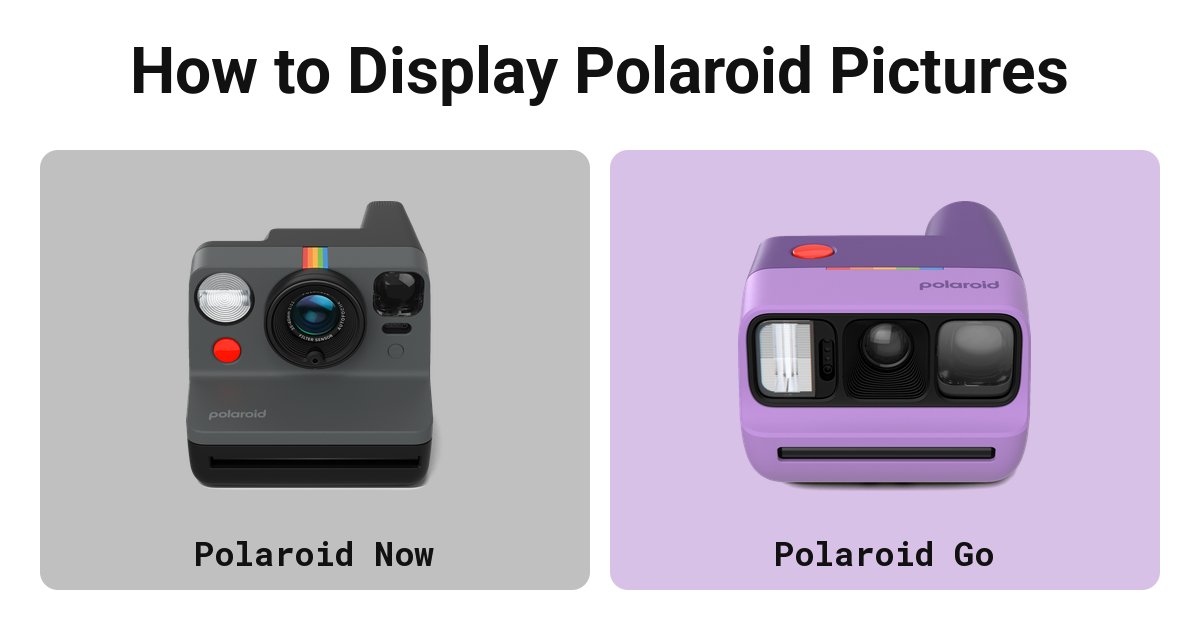
Clip them on string, use magnetic frames, grid them in a big frame or keep them in an album. Wait 30 days before sealing Polaroids and keep them out of the sun.
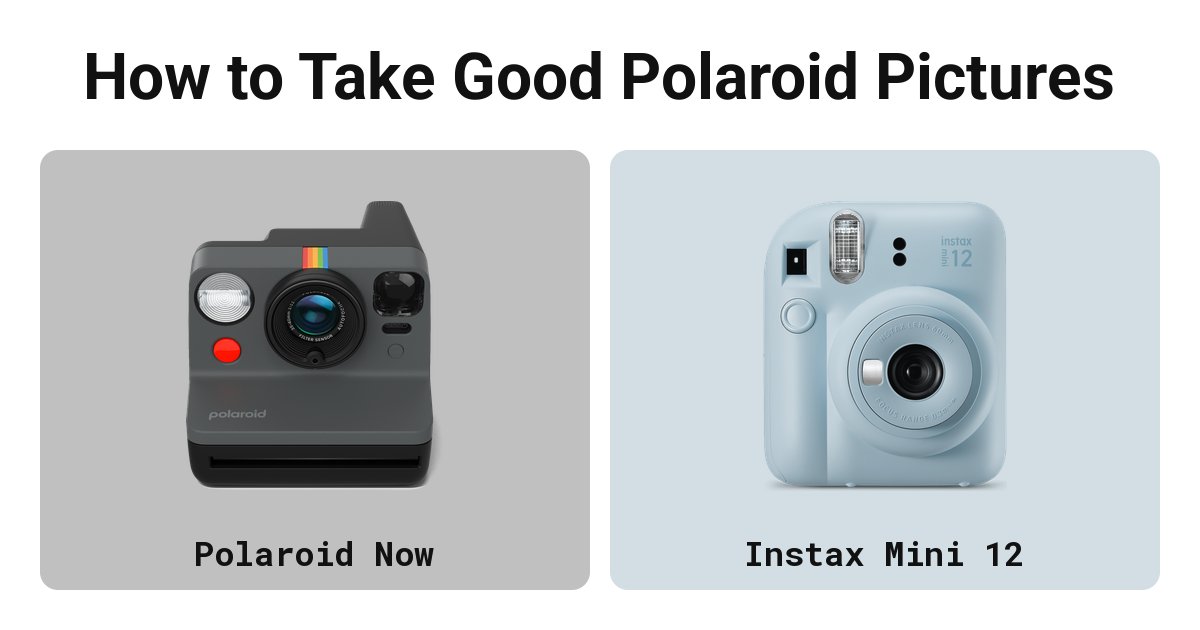
Use lots of light, keep the sun behind you, stay within flash range, shield the print and keep the film at room temperature. Polaroid's and Fujifilm's advice.
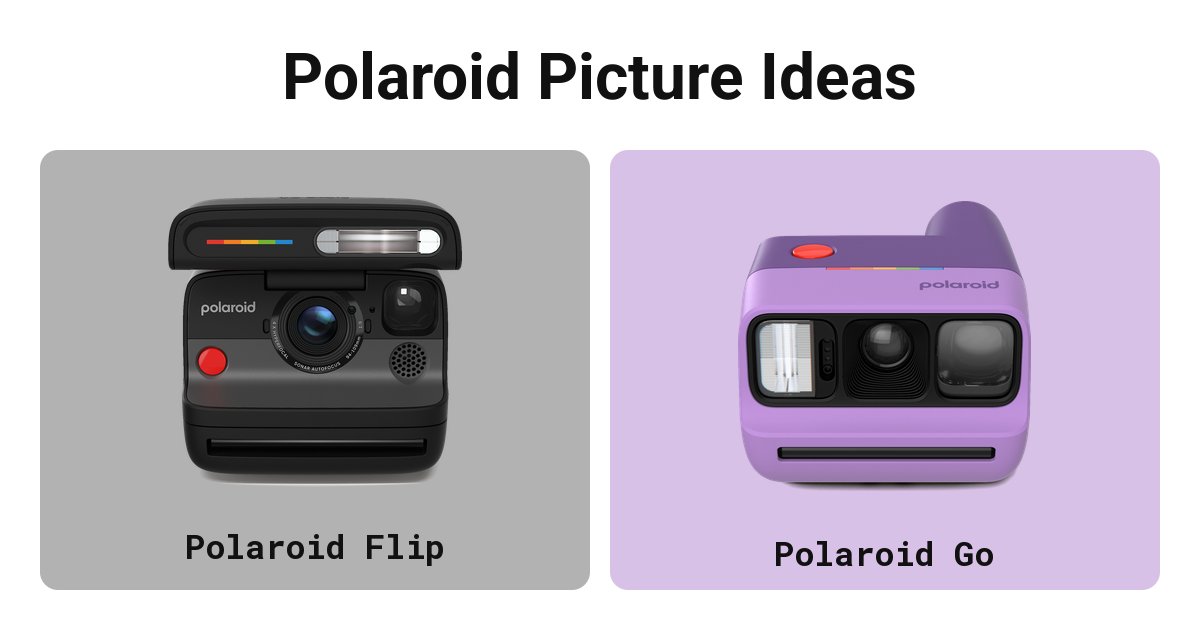
Polaroid and Instax picture ideas, from friend portraits to Christmas morning, each planned around what instant film does best: close range and plenty of light.
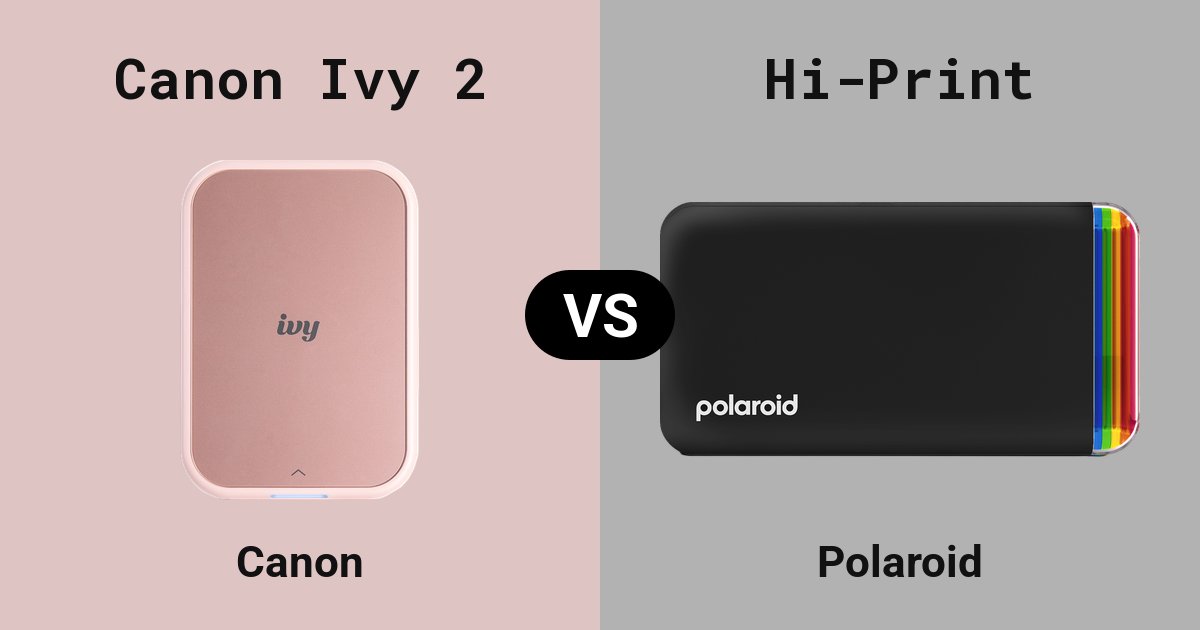
The Ivy 2 prints on ZINK paper at 58 cents a sheet; the Hi-Print uses a dye-sub cartridge at 85 cents for a larger, longer-lasting print. Buy the Ivy 2 unless print quality comes first.
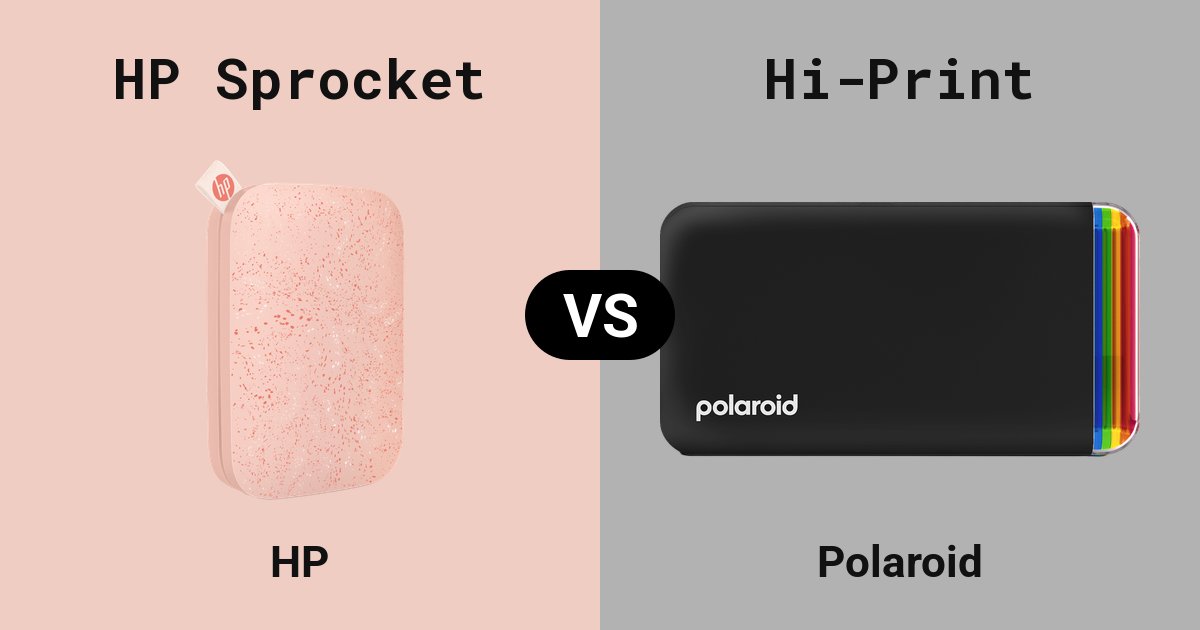
Buy the HP Sprocket: its ZINK prints cost 48 cents against 85, it prints faster and lasts 35 prints a charge. Pick the Hi-Print for bigger dye-sub prints that reviewers rate higher.
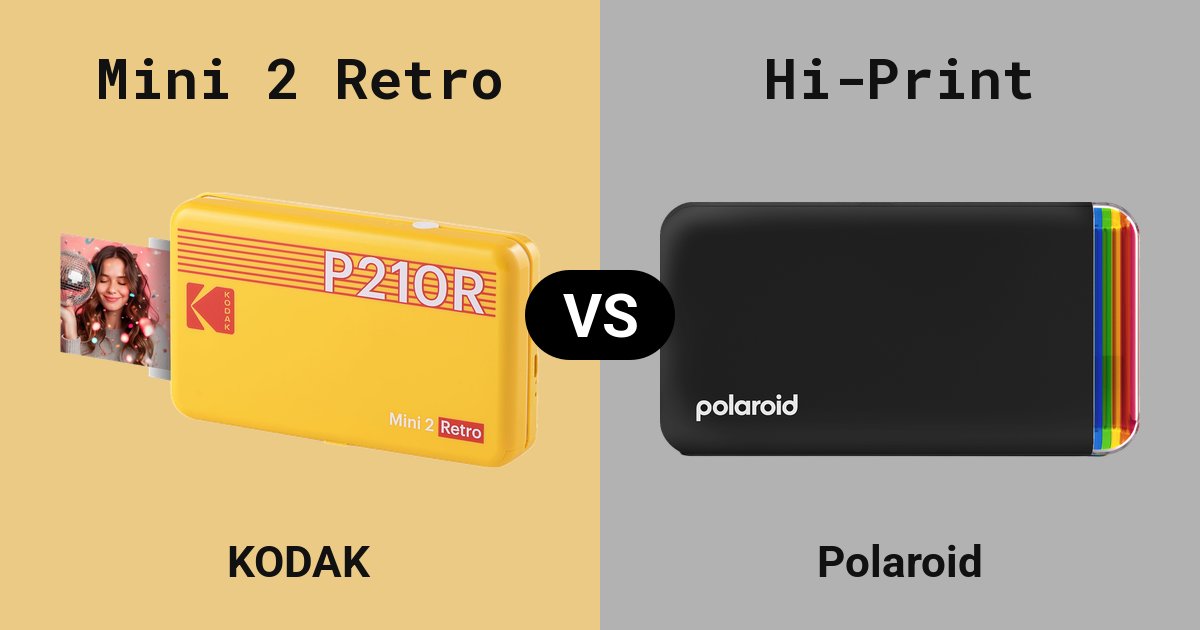
Buy the Kodak Mini 2 Retro: same print size and process, a cheaper printer, and paper at 42 cents a print against 85. Pick the Polaroid Hi-Print only for its sticky-back prints.
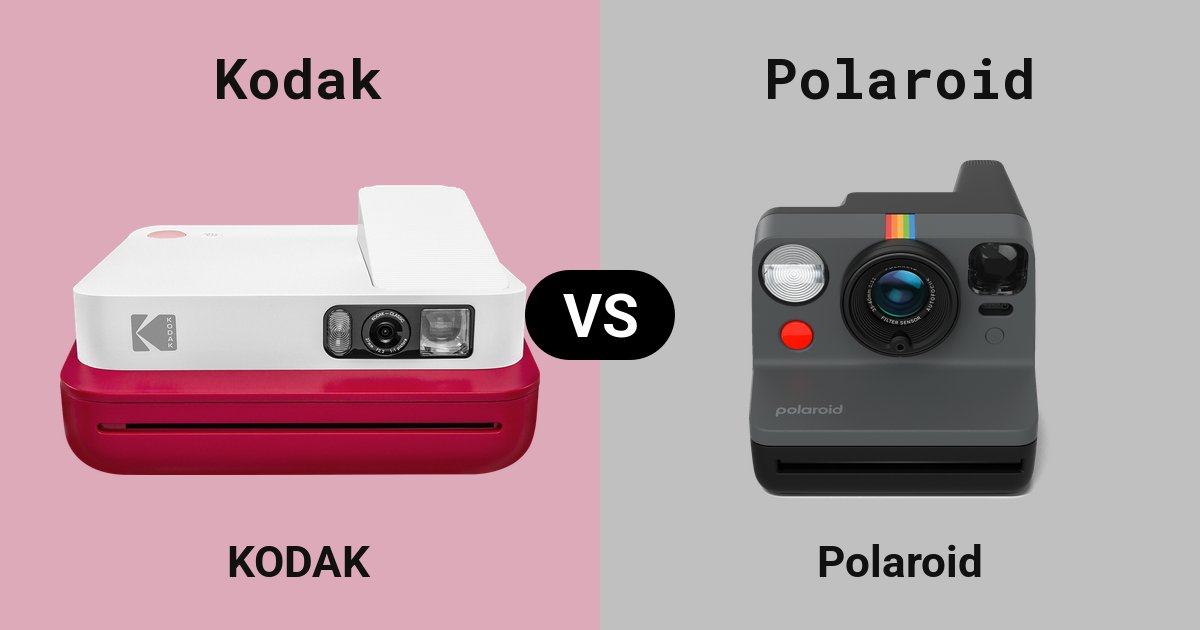
Polaroid cameras shoot real instant film at $1.36 to $2.37 a shot, while Kodak's instant cameras take a digital photo and print it on Zink or 4PASS paper for 30 cents to $1. Buy Polaroid for the big chemical print, and Kodak for cheap, fast sticker-sized prints.
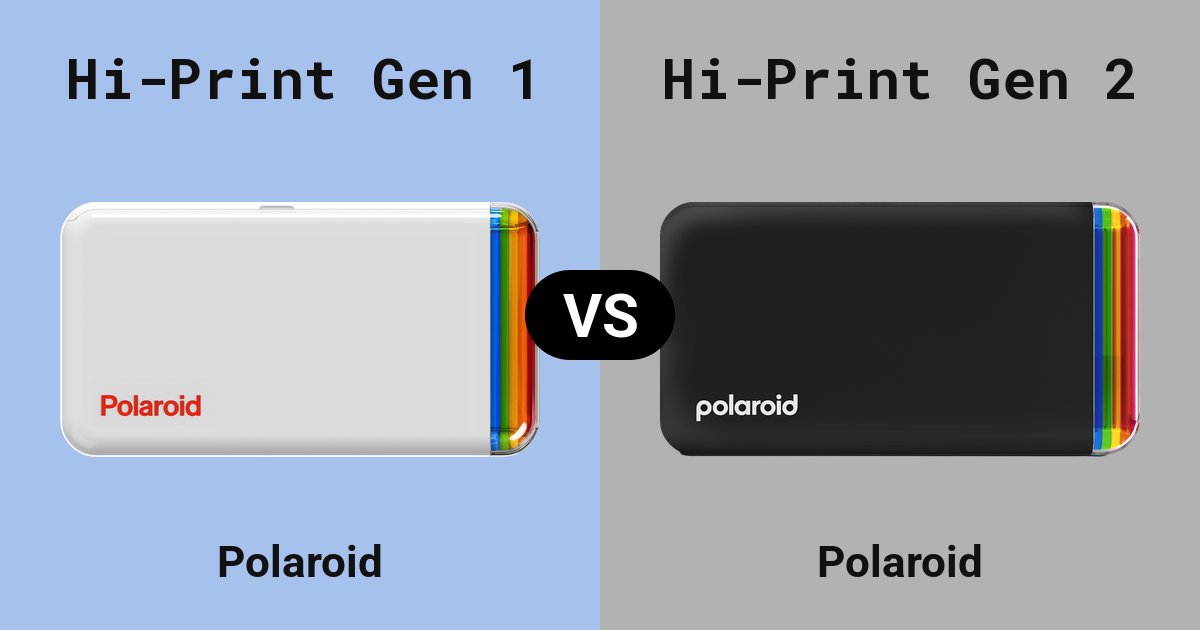
The Hi-Print Gen 2 keeps the Gen 1's print, paper, size and 20 prints a charge, and adds USB-C charging and newer Bluetooth. Buy the Gen 2: the Gen 1 is discontinued.
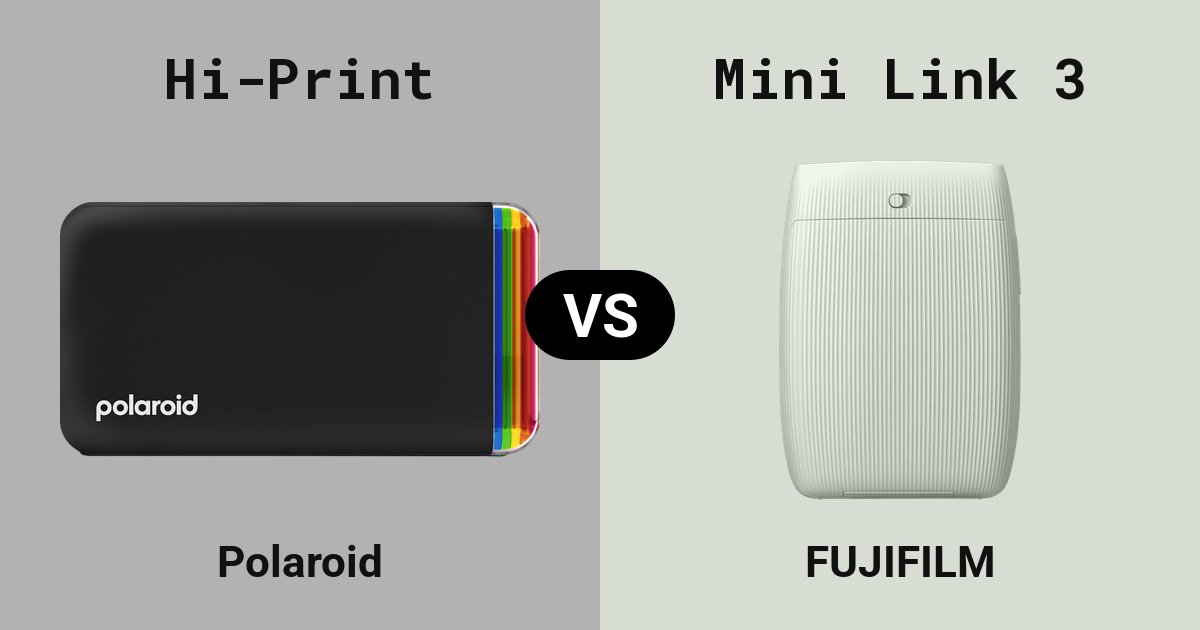
Buy the Instax Mini Link 3 for real Instax prints in 15 seconds and 100 prints a charge. Pick the Polaroid Hi-Print only if you want sticky-back prints for journals.
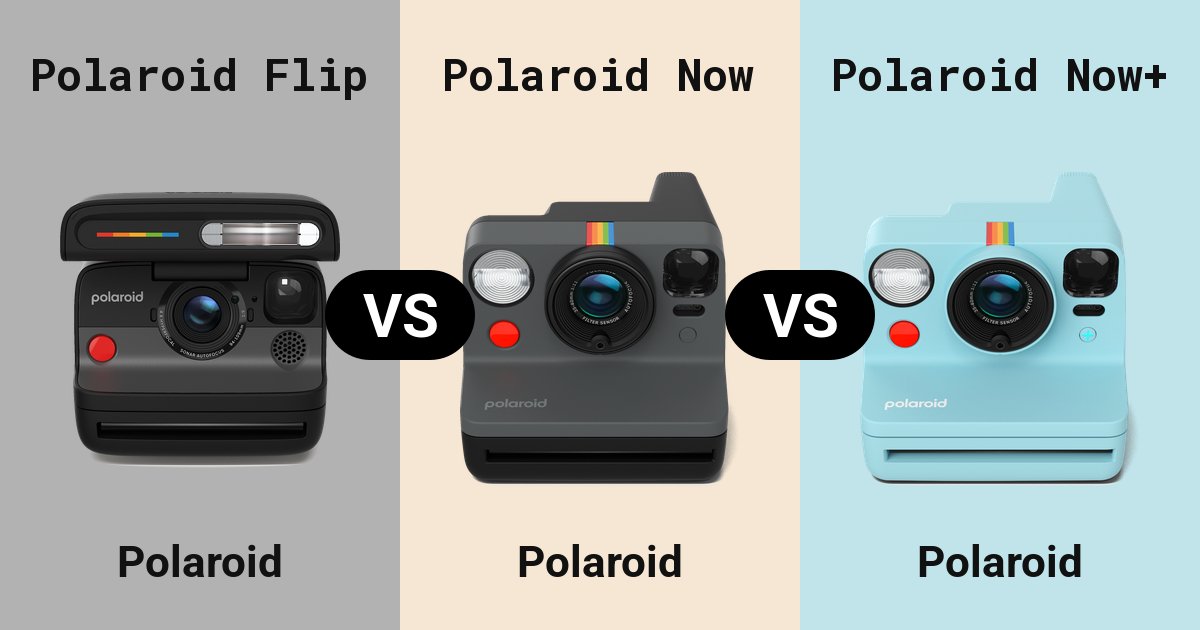
All three cameras take the same i-Type film and make the same size print, so the difference is how often each one gets the shot right. The Flip's four-zone sonar autofocus and stronger flash make it the one to buy, at $80 more than the Now.
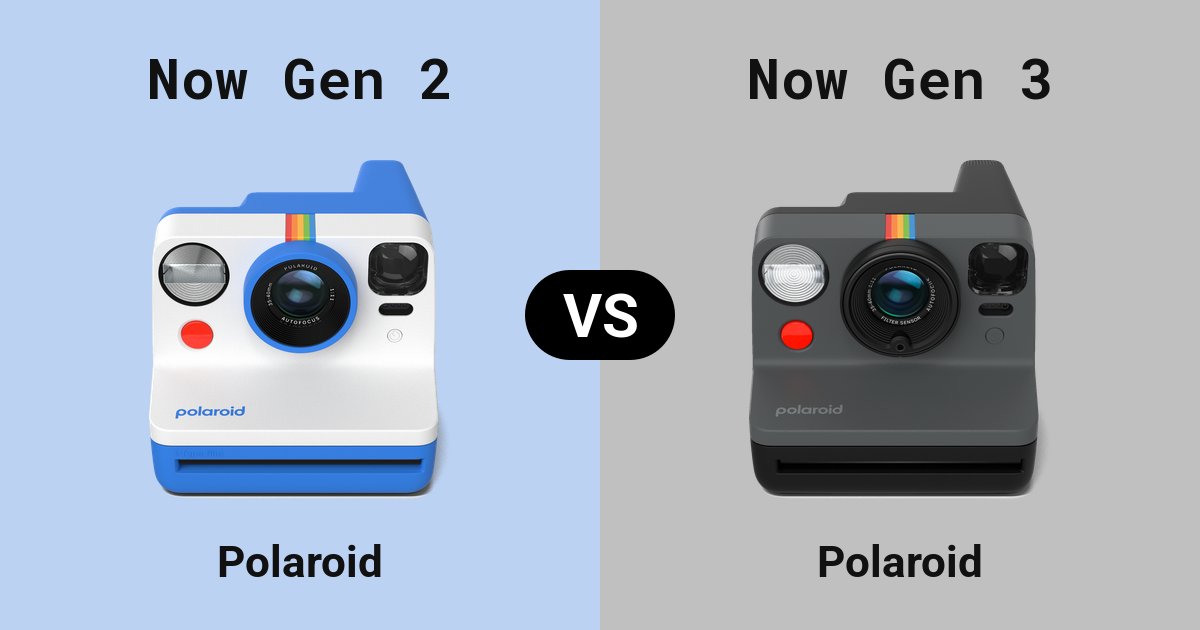
Polaroid replaced the Now Generation 2 with the Generation 3 in 2025, and the changes are small but real. The Generation 3 is the one to buy, unless leftover Generation 2 stock is cheap enough to forgive the missing tripod socket.
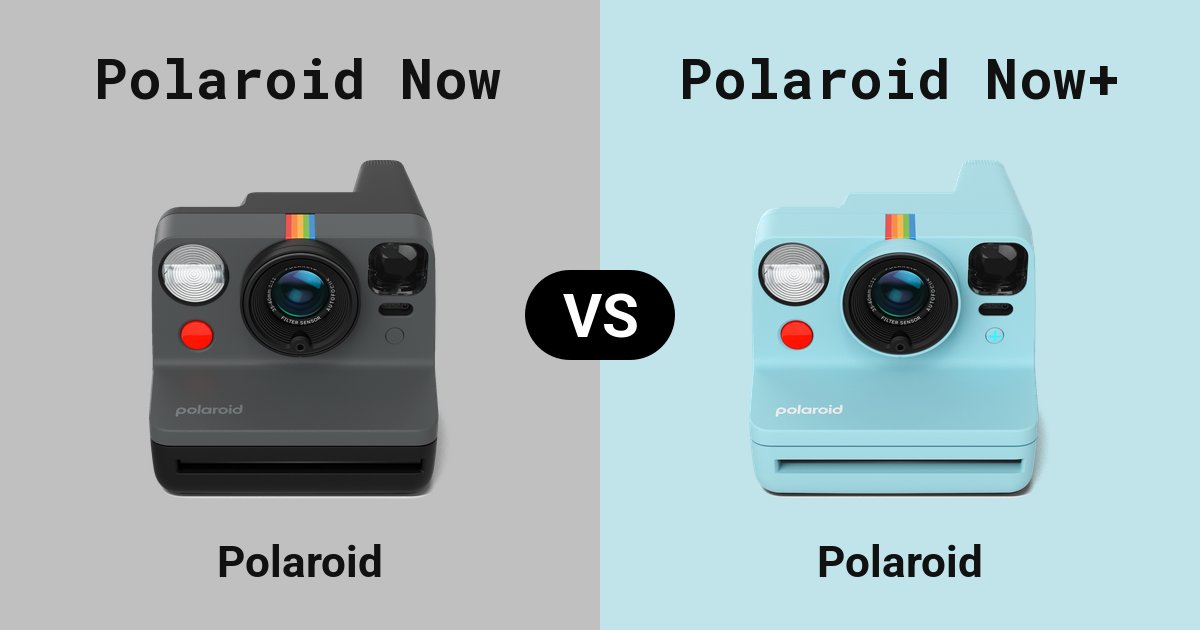
The Now+ is the same camera as the Now with Bluetooth and an app added, for $20 more. Most people should buy the plain Now Generation 3 and put the difference towards a pack of film.

Instax film costs about $0.91 a shot and Polaroid i-Type film about $2.37, so this choice is mostly a choice about running cost. Polaroid gives you the big white-framed square print, and Instax gives you more cameras, more print sizes and cheaper film.

The Polaroid Go Generation 3 is smaller and has more features, but its film costs about $1.36 a shot against about $0.91 for Instax Mini. Unless pocket size is the whole point, the Mini 12 is the cheaper camera to live with.

Polaroid's two current analog cameras take different film, so this is a choice about print size before it is a choice about features. The Now Generation 3 is the one most people should buy, and the Go Generation 3 is the cheaper one to shoot.

Polaroid 600 packs carry the battery that powers a vintage camera. i-Type packs are battery-free, which is why i-Type fits only modern Polaroids and costs about a dollar less a pack. Everything else about the two films matches.